
Frozen Pipes in Minnesota: Prevention, Thawing, and When to Call a Plumber
Why Pipes Freeze in Minnesota
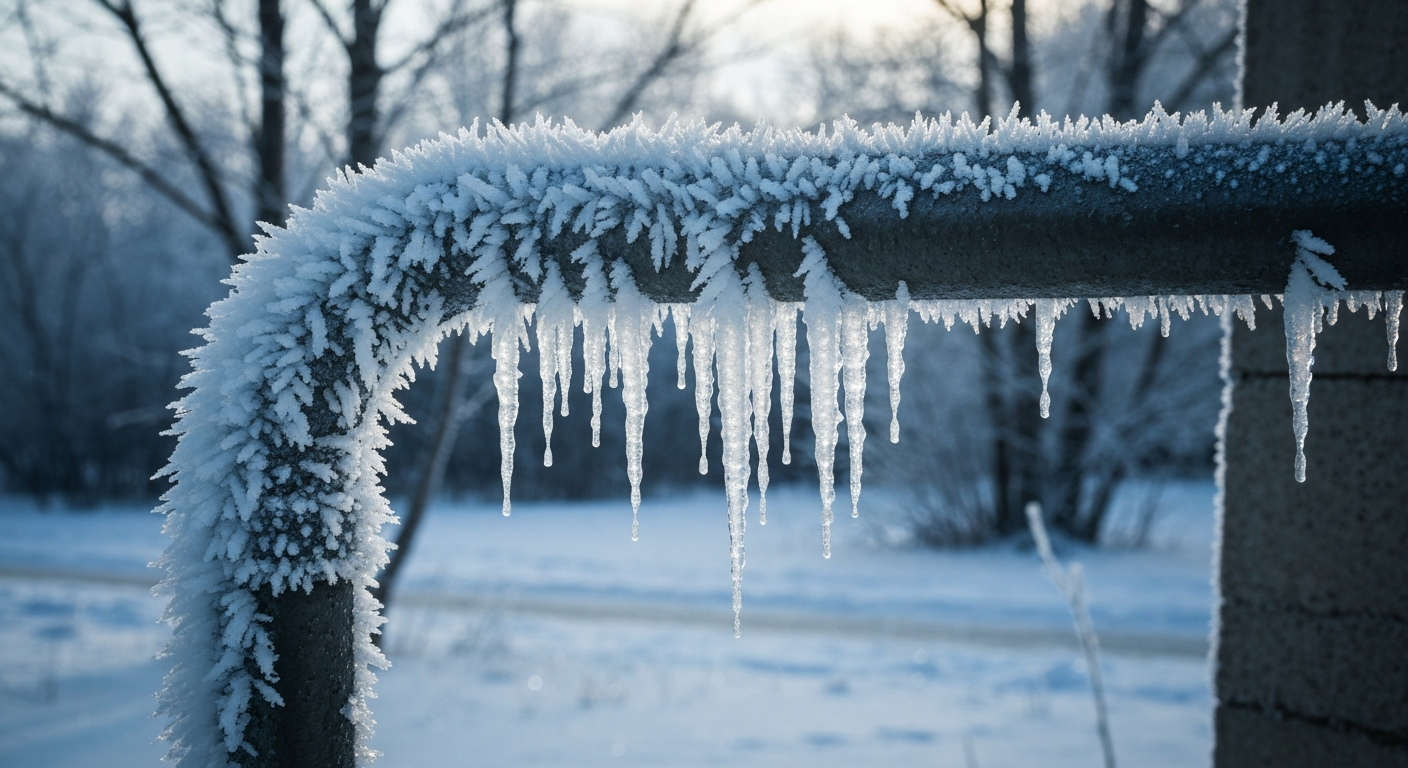
When the Twin Cities experiences a polar vortex, the temperature drops well below the 20-degree threshold where pipes are at risk. Water expands as it freezes, creating immense pressure inside the pipe. This pressure, not the ice itself, is what causes pipes to burst. Pipes located in unheated areas like basements, crawl spaces, and exterior walls are the most vulnerable.
How to Prevent Frozen Pipes
Prevention is your best defense. Insulate all exposed pipes in unheated areas. During extreme cold snaps, open kitchen and bathroom cabinet doors to allow warm room air to circulate around the plumbing. Let cold water drip slightly from faucets served by exposed pipes; running water is much harder to freeze.
How to Safely Thaw a Frozen Pipe
If you turn on a faucet and only a trickle comes out, you likely have a frozen pipe. Keep the faucet open so water can escape as the ice melts. Apply heat to the section of pipe using an electric heating pad wrapped around the pipe, an electric hair dryer, or a portable space heater. Never use a blowtorch or open flame.
What to Do If a Pipe Bursts
If a pipe bursts, act immediately. Shut off the main water valve to your home to stop the flooding. Turn off the electricity to the affected area if water is near outlets. Document the damage for your insurance company, and call AJ Alberts for emergency plumbing repair.
Frequently Asked Questions
At what temperature do pipes freeze?
Pipes are at risk of freezing when the outside temperature drops to 20 degrees Fahrenheit or lower, especially if the pipes are located in uninsulated spaces.
How long does it take to thaw a pipe?
Thawing a pipe can take anywhere from 30 minutes to several hours depending on the extent of the freeze and the heat source you are using.
Does homeowners insurance cover burst pipes?
Most standard homeowners insurance policies cover sudden and accidental water damage from a burst pipe, but they may deny the claim if you left the home unheated.
Can I use a hair dryer to thaw a pipe?
Yes, a hair dryer is one of the safest ways to thaw a frozen pipe. Move the dryer back and forth along the frozen section, starting nearest the faucet.
Dealing With a Burst Pipe?
Time is critical. Turn off your main water valve and call our emergency response team immediately.